
Before the Wedding
A wedding timeline
with room to be present.
With a first look or without one, thoughtful timing gives you more space to enjoy your day.
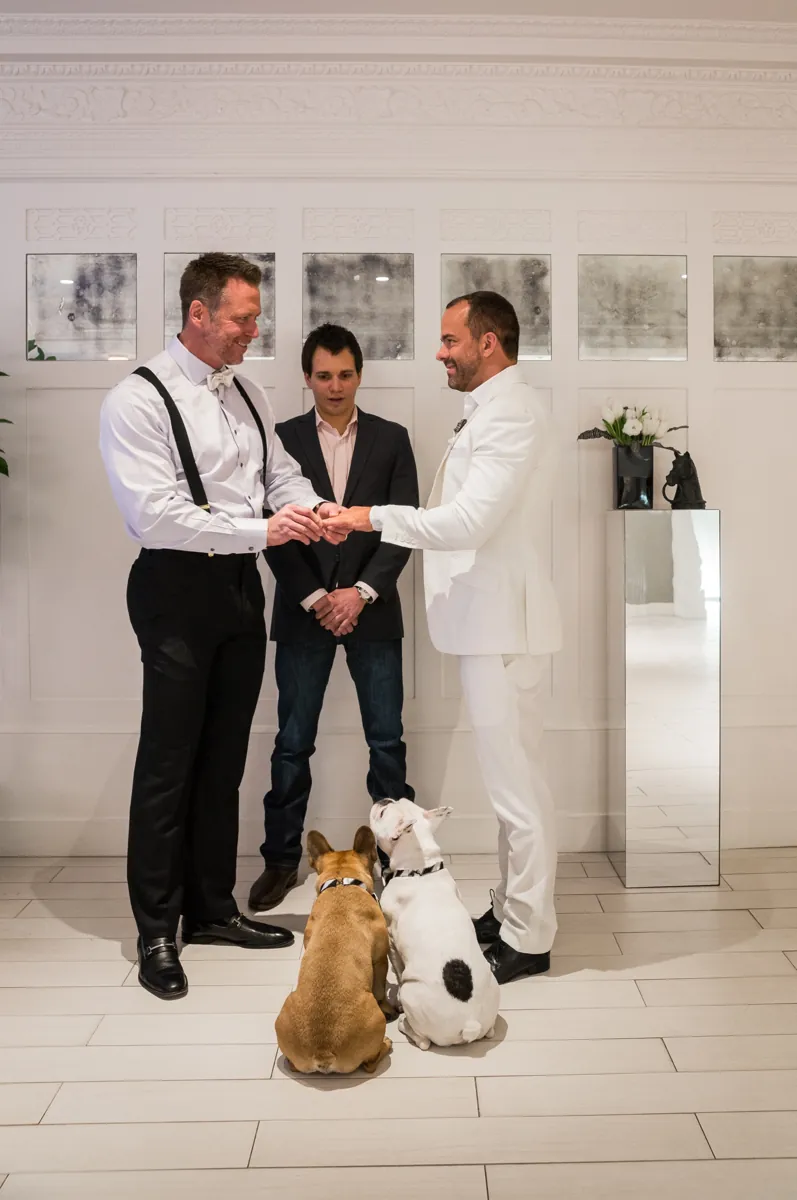
Before we talk about a list of photographs, I like to ask couples what they want to be doing when they walk back down the aisle.
Often, the answer is spending time with family and friends. That’s one reason I put so much thought into the photography timeline. It helps us make the photographs you want while protecting the parts of the day you most want to experience.
Start with the decisions that shape the day.
Your ceremony time is a starting point. From there, we can talk about where you’re getting ready, travel between locations, the people you want in family photographs, and the light available for portraits.
Build this plan with your photographer and planner. Hair and makeup, transportation and the reception schedule all affect when photographs can happen. A timeline works best when everyone is working from the same information.
If you choose a first look.
A first look means seeing each other before the ceremony. I often recommend it because it gives us the opportunity to photograph the two of you, your wedding party and family beforehand.
That can leave more of the time after the ceremony for being with your guests. It also gives you a quieter moment together before the day gathers pace.
We still need to plan when everyone will be dressed and ready, where the photographs will happen, and when to finish so you have breathing room before the ceremony.
If you want to wait for the aisle.
If seeing each other at the ceremony matters to you, we can plan around that. Some individual portraits and family groups can happen beforehand without the two of you meeting.
After the ceremony, we’ll need time for your photographs together and any combined family or wedding-party groups. Decide which groups matter most and be realistic about how much of cocktail hour you want to spend on portraits.
The choice is personal. My job is to explain what each approach means for your photographs and your time, then help you make it work.
Leave a little space between things.
Getting dressed, gathering family and moving between locations can take longer than expected. Build in agreed-upon buffers instead of scheduling every minute back to back.
Give family members a clear arrival time, a meeting place and instructions to be ready for photographs. A trusted person who knows the family can help gather each group while your photographer keeps working.
Limiting travel between portrait locations also helps. A beautiful nearby setting often gives you more time together than a long drive to another backdrop.
Keep the plan flexible.
Allow room for the unplanned moments, too: a hug, a reaction, a few minutes with someone you don’t often see. Those can be some of the photographs you treasure most.
If evening portraits are important to you, leave a little room for the evening light and coordinate that pause with the reception team.
A thoughtful timeline gives everyone a shared plan. It should help you enjoy the wedding, with enough space to be present while I keep your story.
From the book
The Secrets to Spectacular Wedding Photography
Adapted from my advice for couples on making the most of their wedding photographs—before, during and after the day.
Explore the book